The Maclean Brothers - Pacific Row
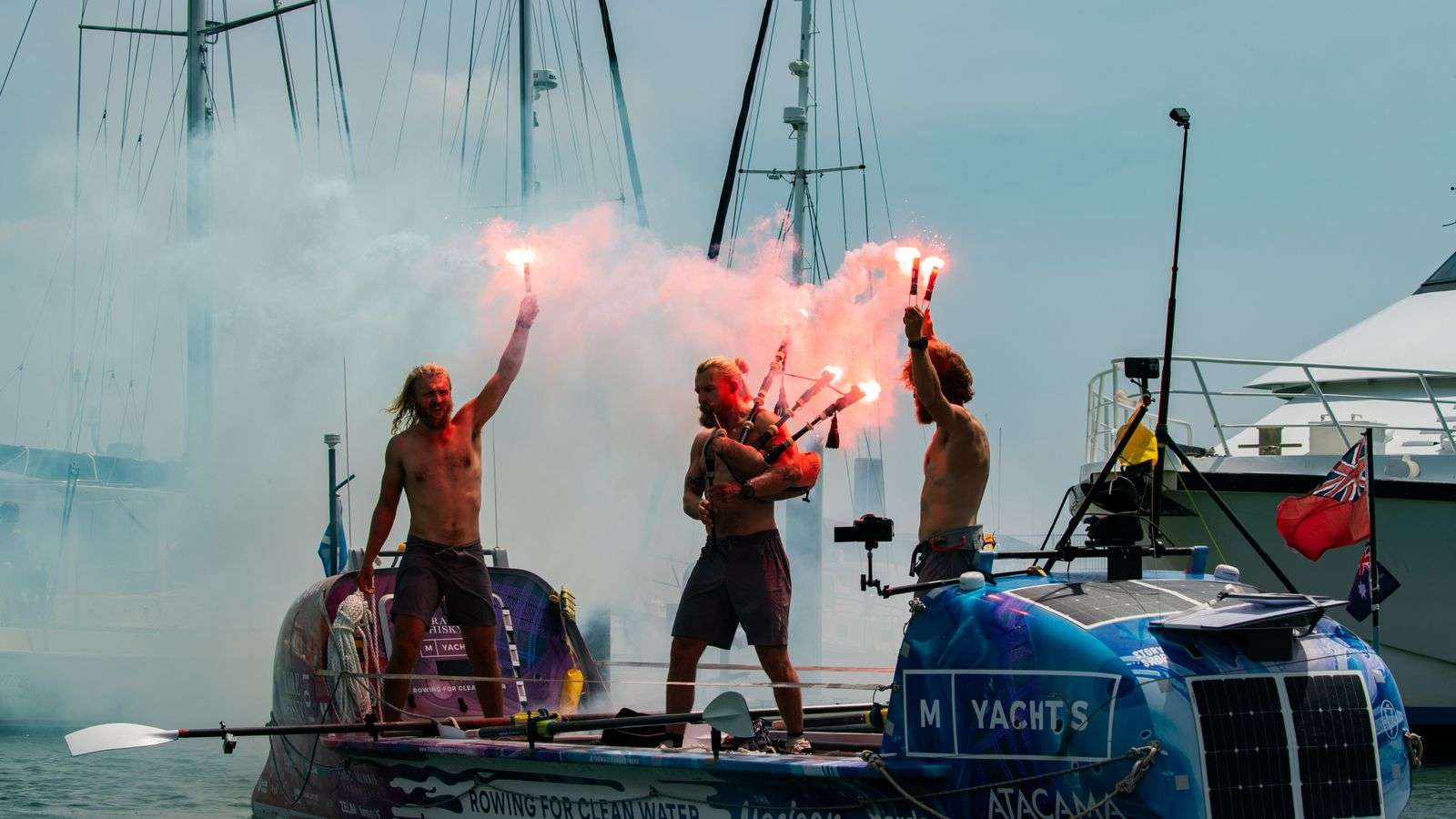
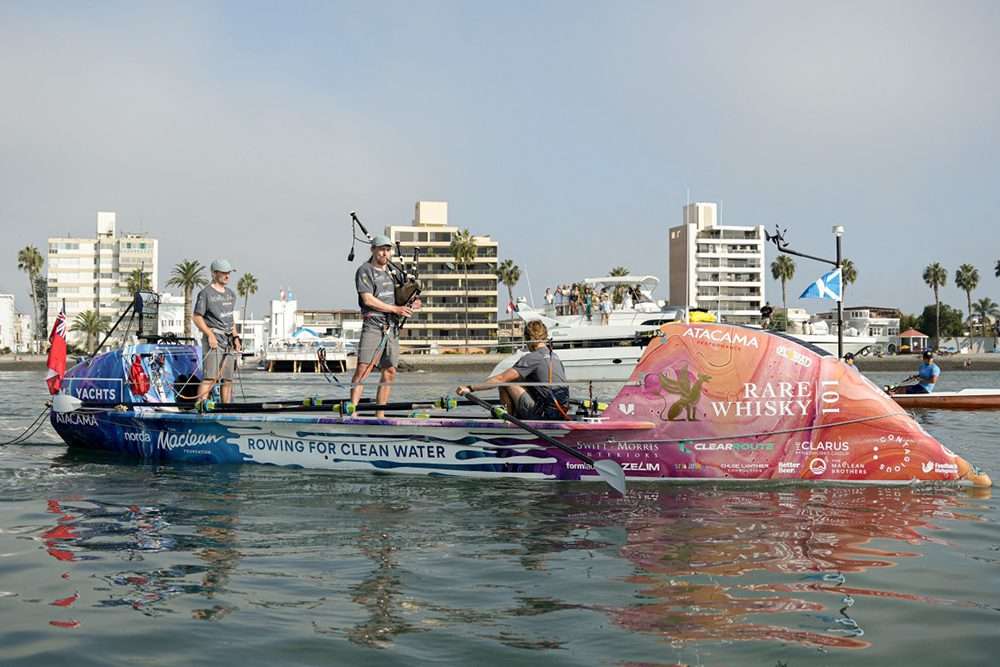
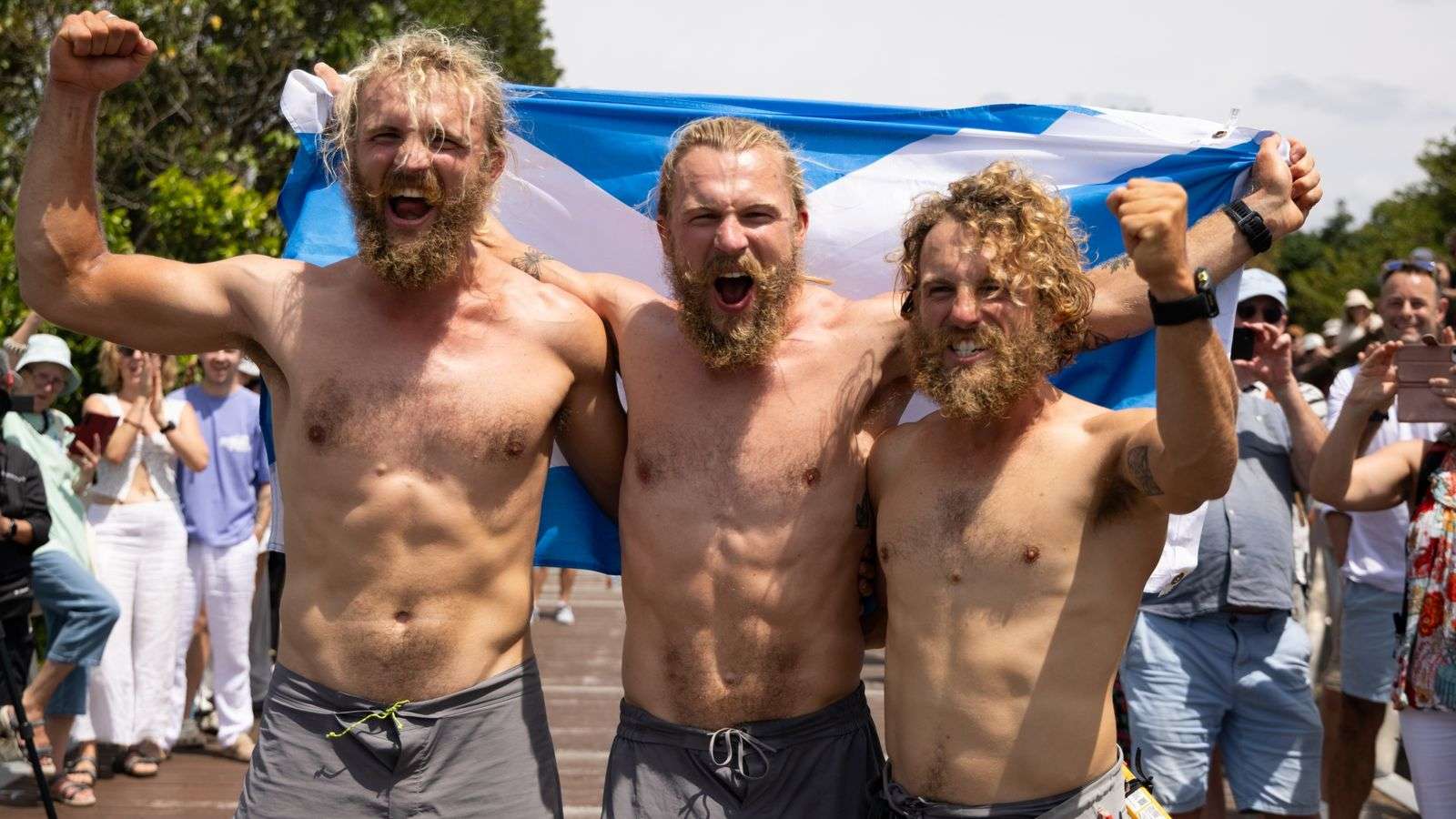
The MacLean Brothers — Ewan, Jamie, and Lachlan — are no strangers to record-breaking feats. Known for their world-first rowing expeditions and fundraising efforts, the trio embarked on their most ambitious challenge yet: a 9,000-mile, human-powered journey across the Pacific Ocean.
This monumental row was part of their mission to push human endurance while generating tangible social impact through The MacLean Foundation. Their goal is to raise £1 million to fund clean water infrastructure projects in Madagascar, helping vulnerable communities gain long-term access to safe drinking water. With limited resources aboard their vessel and no access to traditional connectivity, the brothers needed a way to stay connected with supporters, document their journey in real-time, and feed critical content to their media team back on land.
Key Statistics
9000 Miles
Across the Pacific Ocean
139 Days
At sea
£1 Million
Target for charity
The Challenge
To bring their record-breaking expedition to life and meet the communication demands of such an ambitious journey, The MacLean Brothers needed a way to stay connected far from any terrestrial or mobile infrastructure.
Objectives:
- Delivering engaging daily live streams to sustain audience interest and drive charitable donations
- Uploading high-resolution footage to their media team for real-time storytelling and future documentary use
- Maintaining reliable two-way communication with family, sponsors, and campaign teams onshore
The solution had to be robust, power-efficient, and capable of operating autonomously in the vast, unpredictable conditions of the Pacific Ocean, far from terrestrial infrastructure, in some of the most isolated waters on Earth.
The Solution
To support their unsupported trans-Pacific row, Clarus delivered a compact, reliable, and marine-proof communications setup tailored for extreme conditions.
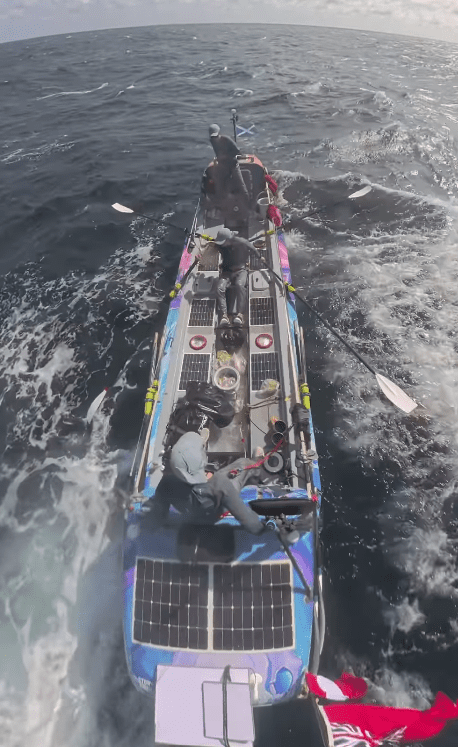
- Starlink Mini: Provided high-speed, low-latency satellite internet for live streaming, comms, and file uploads, with low power draw to run from solar panels
- Bespoke 3D-Printed Mount: Designed to hold optimal signal position and withstand wave impact, saltwater, and UV exposure
- Off-Grid Power Integration: To rely solely on the boat’s solar and battery systems — no generators required
- Compact Content Capture Kit: Handheld cameras, GoPros, and drones for dynamic, real-time footage
- Remote Workflow: Enabled daily live streams, content uploads, and two-way comms with the media team and family
Clarus’ solution turned The MacLean Brothers’ vessel into a self-sufficient floating content hub. With Starlink ensuring consistent connectivity and a compact, battery-powered setup, they could easily capture and transmit video while underway. This enabled high-quality storytelling and remote coordination — without the need for heavy infrastructure or a technical crew onboard.
The Results
The MacLean Brothers successfully stayed connected, shared their story, and drove donations from one of the most remote environments on Earth, gaining high-profile fans including Ewan McGregor, Mark Wahlberg, and Sam Heughan. The solution:
- Delivered daily live streaming and updates to boost visibility and engagement, syndicated across several networks
- Enabled real-time uploads for social, media, and documentary use
- Maintained reliable satellite connectivity throughout the voyage
- Supported live and pre-recorded content via GoPros, drones, and handhelds
- Operated fully off-grid with minimal weight and power draw
- Enabled seamless collaboration with onshore media and campaign teams
- Provided crucial emotional connections with family and supporters
This case proves that even from the middle of the Pacific, real-time broadcasting is possible. With Clarus and Starlink, the Maclean Brothers could stay connected, share their mission, and inspire global support — all from a self-powered rowing vessel.